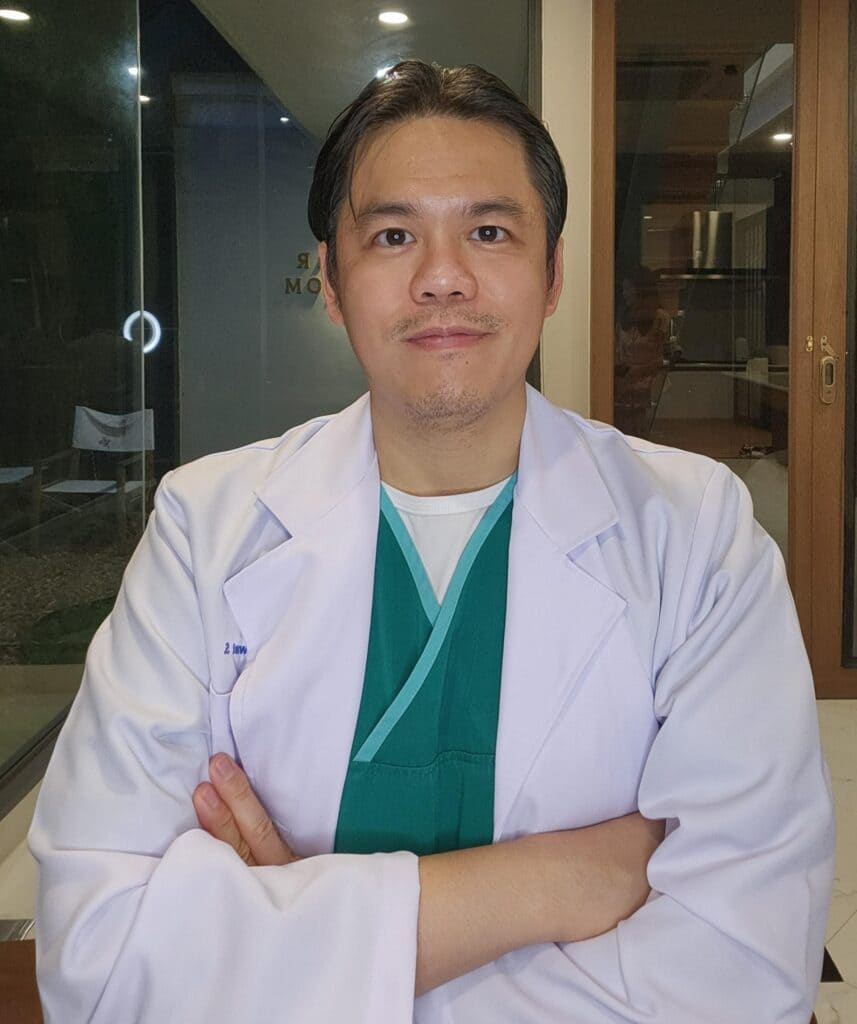
Hello, let me start by introducing myself. My name is Thanyawat Sasanakiatkul. I am a surgeon. Currently, I am a specialist in endocrine surgery (thyroid and parathyroid), and I have also completed a fellowship specializing in head, neck, Endocrine surgery (Yale school of medicine, USA). However, nowadays, 99% of my practice is dedicated exclusively to thyroid and parathyroid surgery.
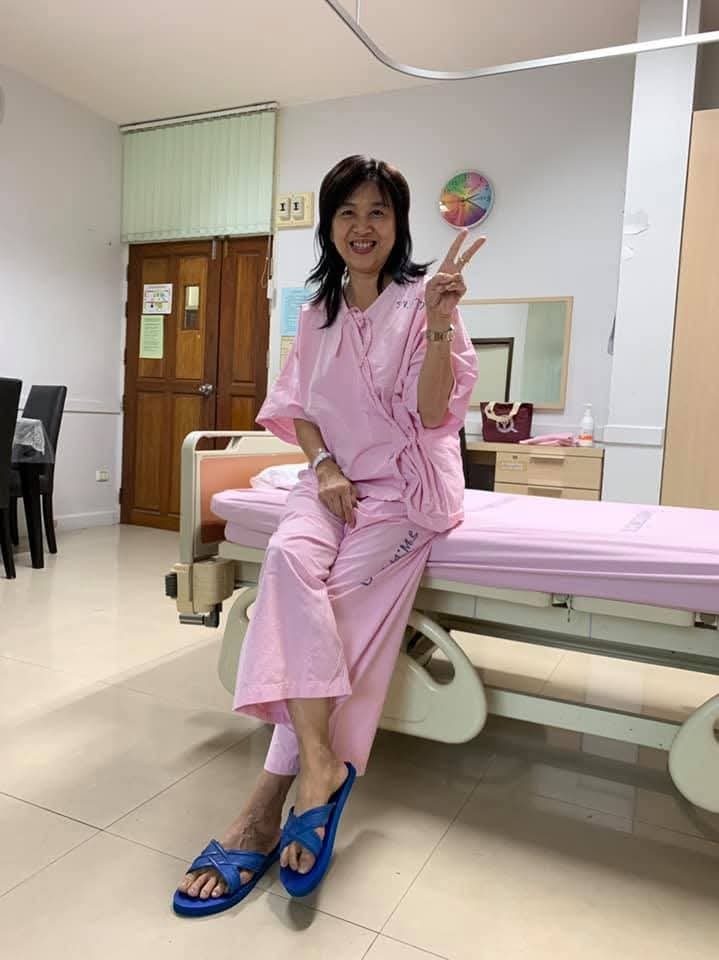
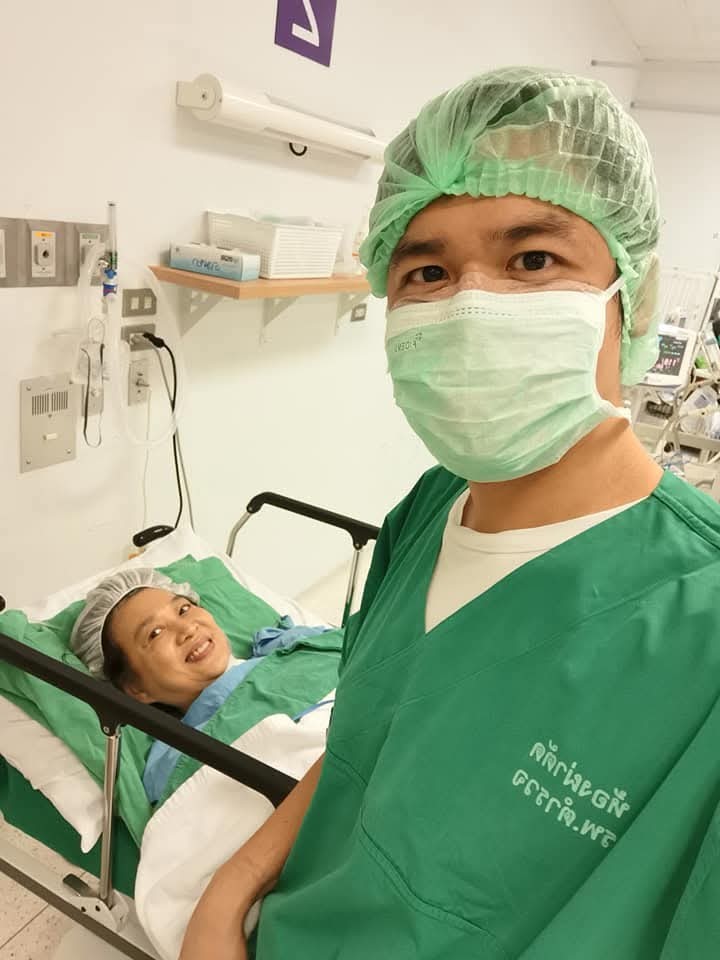
After finishing my fellowship in endocrine surgery, something happened that I wouldn’t exactly call a coincidence. I hit the jackpot: my wife’s neck was enlarged, and my mother’s neck was also enlarged. So, following standard procedures, I sent both of them for thyroid blood tests and neck ultrasounds. It turned out that my wife had a large 3-centimeter thyroid tumor in her right thyroid lobe. The ultrasound appearance was borderline—neither good nor bad—and the biopsy result was benign. However, the tumor had been steadily growing, and her neck used to be much smaller. My wife therefore decided to have her right thyroid lobe removed via transoral endoscopic surgery. After the operation, she was doing great; her voice was fine with no hoarseness, and she didn’t need to take thyroid hormone medication because only half of the gland was removed. The human body is truly miraculous—the remaining left lobe can function normally to compensate for the missing side. My wife was also able to get pregnant just like anyone else.
But the most shocking event of my life involved my own mother. I remember vividly sitting across from her at the dinner table one day and noticing that the right side of her neck was slightly larger than the left—just a tiny bit, really. So, I sent her for a neck ultrasound. The radiologist reported that my mother had a 9-millimeter thyroid tumor in her right thyroid lobe. Worse still, the tumor appeared dark, had irregular margins, and contained microcalcifications. This led the radiologist to score the nodule as TIRADS 5, which is the highest level and carries the highest risk of being thyroid cancer. Upon hearing the results, I bypassed the standard biopsy procedure. Based on my direct experience, the appearance of the tumor meant it was definitely cancer. I then personally performed the surgery to remove my mother’s right thyroid lobe. I chose to remove only one side because her tumor was small. During the operation, I discovered that her cancerous tumor was about to invade into her trachea. When I asked her later, my mother told me she had been suffering from a chronic, dry cough for a very long time without any known cause.
We then realized it was caused by this thyroid cancer that was about to invade her trachea. If my mother had not undergone urgent surgery that day, the inevitable consequence would have been a tracheostomy (breathing tube in the neck), which would have left her unable to speak or live her daily life normally. My mother is someone who loves socializing, hanging out, ballroom dancing, and singing. She told me later that if she had to undergo a tracheostomy and could no longer go out or sing, she would rather not live, as there would be no happiness in it. Ultimately, I was able to operate on my mother just in time. She did not need a tracheostomy, her voice was not hoarse, she does not need to take lifetime hormone medication, and she did not require radioactive iodine therapy. The pathology report confirmed it was a 9-millimeter papillary thyroid cancer. Today, it has been several years since her thyroid cancer surgery; the disease is in full remission with no recurrence, and she is doing great, enjoying her daily social life and hanging out with her friends as usual.
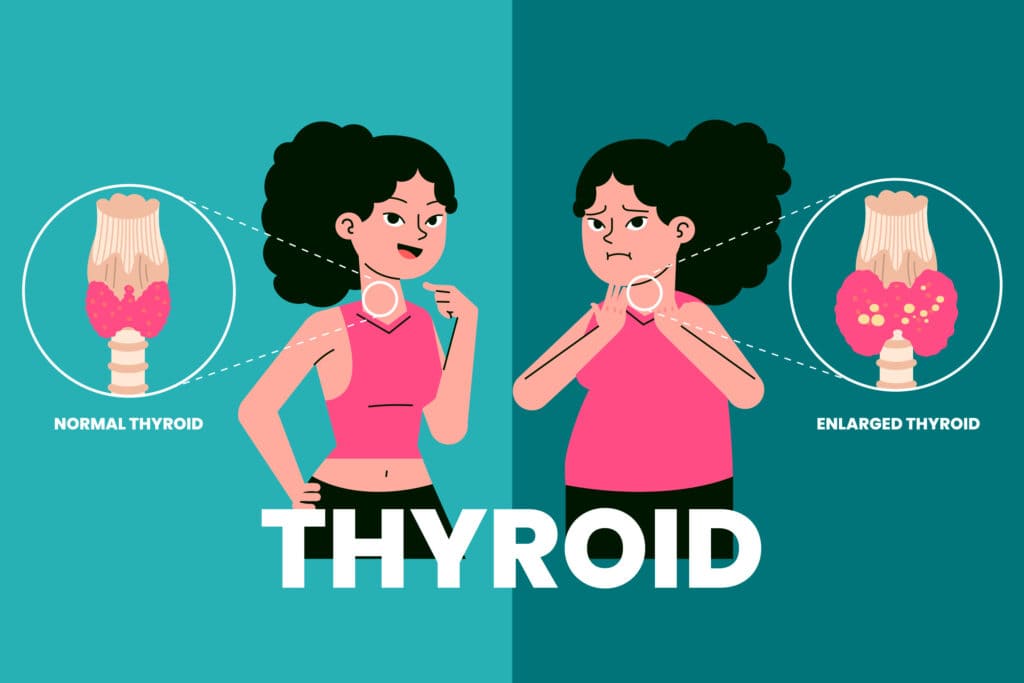
I have shared quite a bit about my life, so let’s dive into the medical and academic side of things. I will start with the fundamental knowledge about the thyroid gland. The thyroid is the largest endocrine gland in the human body. Shaped like a butterfly, it is located in the middle of the neck, just below the Adam’s apple. The sole function of the thyroid gland is to produce thyroid hormones. These hormones are absolutely vital to our lives, as they work to regulate the metabolism and energy production of every single cell in the body, allowing us to survive and function normally. The human body simply cannot live without this hormone. Now that we are acquainted with the thyroid gland, let’s look at the different types of thyroid diseases, which can be categorized into three main conditions:
- Hyperthyroidism: This condition is usually caused by a malfunction in the body’s immune system, which stimulates the thyroid gland to become overactive and release an excessive amount of thyroid hormones into the bloodstream. This can be detected through blood tests showing high levels of Free T3 and Free T4, combined with a low TSH level. Consequently, patients experience symptoms such as getting fatigued easily, heart palpitations, abnormal weight loss, bulging eyes (exophthalmos), and an enlarged neck.
In treating hyperthyroidism, we initially start patients on anti-thyroid medications. This medical treatment is implemented with the goal of successfully weaning the patient off the medication within two years. This is because taking anti-thyroid drugs for too long can adversely affect the patient’s blood cells and liver function. If a patient cannot stop the medication within two years, experiences a recurrence after stopping the drug, has severe bulging eyes, has a very large neck that compresses the airway, or suffers an allergic reaction to the medication, we will look beyond drug therapy. Two alternative options remain: radioactive iodine therapy and surgery.
A question I encounter very frequently is, “Which treatment option is best suited for me?” For radioactive iodine therapy, the advantages are that it does not require surgery, involves no surgical wound pain, and carries no risk of hoarseness or low calcium levels. However, the disadvantages include a risk of the condition recurring since the thyroid gland remains in the neck. Furthermore, it is not suitable for patients with severe bulging eyes, as it can worsen the condition. If the patient’s thyroid is larger than 80 grams, radioactive iodine is not recommended because the therapy will not be effective anyway. It is also not advised for patients planning to become pregnant or breastfeed, as the radioactive material affects the fetus or infant. This also includes patients who are anxious about radiation affecting other organs in their body, even though it has been proven safe.
For these reasons, surgery to remove the thyroid is considered instead for this group of patients. The downsides of surgery are that it involves varying degrees of wound pain, requires taking calcium supplements to temporarily compensate for the parathyroid glands post-operation, and carries a risk of hoarseness. Nevertheless, surgery offers several clear advantages: removing both lobes of the thyroid provides a 99% chance of being completely cured of hyperthyroidism. Additionally, the procedure reduces the size of the neck. Thanks to modern innovations like transoral endoscopic surgery, patients can have this done without any scarring on the neck. Furthermore, if the operation is performed by a specialized thyroid surgeon, the risk of hoarseness is reduced to just 1–2%. Patients who wish to get pregnant, breastfeed, or have small children can also proceed with their lives without having to wait out a quarantine period.
Therefore, there are multiple avenues for treating hyperthyroidism, depending on the patient’s specific condition. Physicians and patients should discuss the symptoms together to reach the best conclusion and treatment outcome. - Hypothyroidism: Also known as underactive thyroid or sometimes referred to as “weight-gain thyroid” because most patients present with symptoms such as fatigue, lack of energy, easy weight gain, poor skin condition, sluggishness, and even depression. This disease is most commonly caused by an immune system malfunction that leads to chronic inflammation of the thyroid gland, as it is continuously attacked by the body over a long period. This causes the cells of the thyroid gland to deteriorate until they can no longer produce enough thyroid hormones. The most common condition in this group of patients is Hashimoto’s thyroiditis.
Diagnosis can be easily achieved through a blood test to measure hormone levels, where abnormal results show lower-than-normal Free T3 and Free T4 levels and a higher-than-normal TSH level. For the treatment of this patient group, the mainstay is the lifelong administration of thyroid hormone replacement medication, along with regular neck ultrasounds to monitor for the development of thyroid cancer. Surgery is considered only in cases where the neck is significantly enlarged and compresses the airway or impairs swallowing, as well as in patients whose ultrasounds reveal tumors that carry a risk of being thyroid cancer. - Thyroid Nodules and Thyroid Cancer: This group represents the most frequently encountered patients with thyroid disorders. The most critical aspect of managing patients in this group is monitoring and attempting to differentially diagnose thyroid cancer as early as possible so that patients can receive timely cancer treatment. Identifying conditions in this group is more difficult than in cases of hypothyroidism or hyperthyroidism because most patients do not exhibit any symptoms, except for someone noticing an abnormally enlarged neck, the patient feeling a lump in the neck while showering or applying cream, or discovering a thyroid nodules during an annual health check-up. The reason these conditions do not show symptoms is that if we check the thyroid hormone levels in the blood, we will find that most patients have normal thyroid hormone levels. However, if a thyroid ultrasound is performed, a tumor will be found hidden in the neck. If the disease is allowed to progress until symptoms such as difficulty swallowing develop, it means the tumor has already grown very large and is compressing the trachea and esophagus. Alternatively, if a patient presents with hoarseness or palpable enlarged lymph nodes on the side of the neck, it may indicate that thyroid cancer has already invaded the vocal cord nerves or metastasized to the lymph nodes along the neck.
The baseline evaluation for patients in this group consists of three main components: a blood test to measure thyroid hormone levels, which are mostly normal; a thyroid ultrasound, which can provide a rough assessment of whether the nodule appears benign or malignant and indicate the level of suspicion for cancer; and a fine-needle aspiration (FNA) biopsy of the mass. The FNA results are interpreted according to the Bethesda system, ranging from Category 1 to 6 (with Category 6 being diagnosed as thyroid cancer).
To summarize the treatment for this patient group: in cases where the ultrasound or biopsy results raise suspicion of thyroid cancer, urgent surgical intervention is recommended. To achieve full remission from thyroid cancer, the entire thyroid cancer mass must be surgically removed, along with the dissection of any metastasized lymph nodes, followed by radioactive iodine therapy after surgery if indicated. For patients whose results show a low suspicion of cancer or are benign, several treatment options are available, such as annual follow-up monitoring with ultrasounds, shrinking the tumor using microwave ablation, or undergoing surgery as well.
Thyroid procedures
Open thyroid surgery involves removing the thyroid gland by making an incision in the middle of the neck. The size of the incision primarily depends on the extent of the condition; a small thyroid gland or small tumor results in a small wound, whereas a large thyroid gland or one that extends down into the chest will require a larger incision, or potentially even open-chest surgery (sternotomy) to extract the gland. Open thyroid surgery is a long-established treatment. Its main advantage is the ability to treat all types of thyroid diseases without any limitations, whether dealing with tumors larger than 20 centimeters, substernal goiters extending into the chest, or advanced thyroid cancers that have invaded the trachea, esophagus, or lateral neck lymph nodes—open surgery can access and completely eradicate the disease. Furthermore, open surgery does not require extensive specialized equipment and takes less operative time, making the overall cost more affordable compared to endoscopic thyroid surgery which requires camera-assisted technology. On the downside, open thyroid surgery leaves a scar in the middle of the neck; although scar-reduction topical medications are available today, a visible mark still remains. Since the majority of thyroid patients are women aged 15 to 45 who value aesthetic appearance and prefer not to have a scar on their neck, this can affect their confidence in daily life.
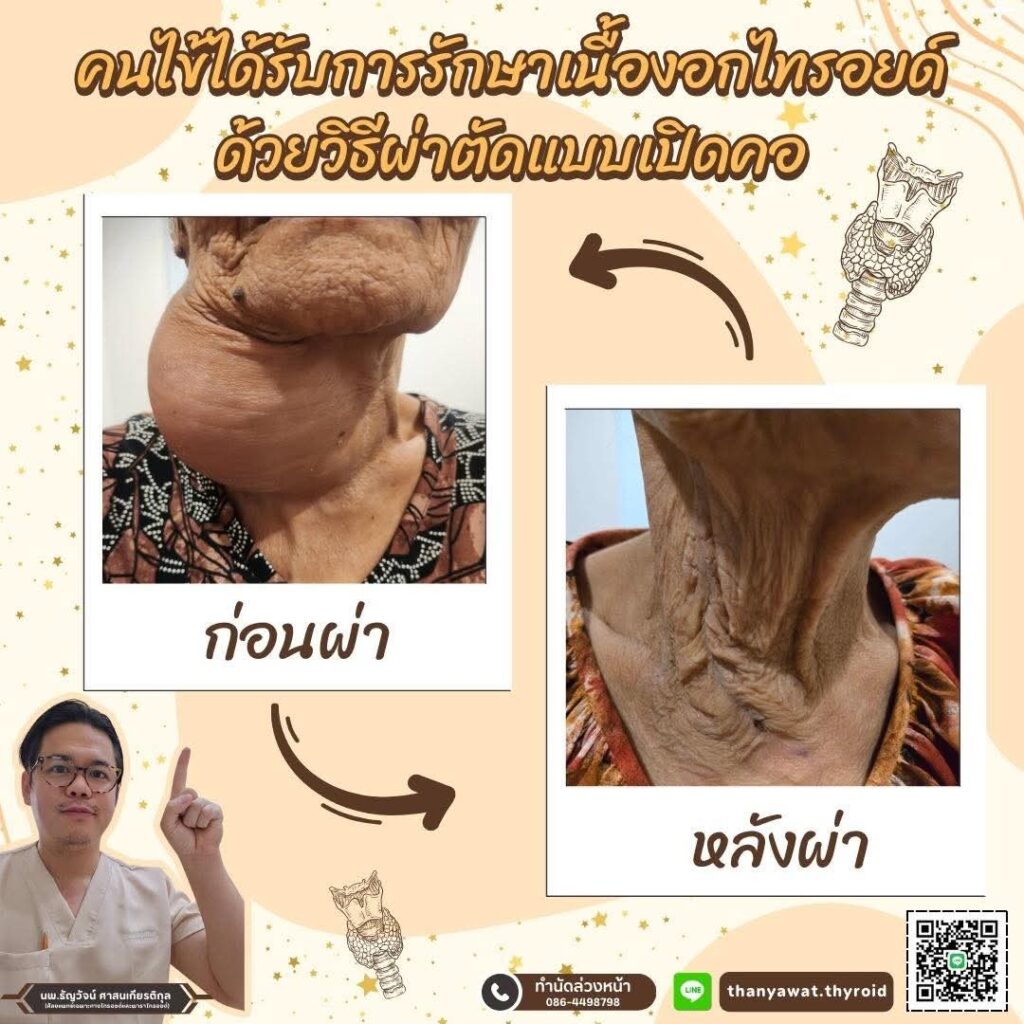
Transoral endoscopic thyroidectomy is considered a novel surgical innovation developed specifically to overcome the drawbacks of open thyroid surgery. While endoscopic thyroidectomy can be performed through various approaches, such as via the armpit (axillary) or behind the ear (retroauricular), the transoral approach is the newest technique. It completely hides the surgical scars inside the mouth, allowing patients—especially women—to live their lives with absolute confidence after surgery, as no visible scar can be seen anywhere on the body.
Endoscopic thyroid surgery offers numerous advantages, starting with minimal incisions inside the mouth, consisting of one 1-centimeter incision and two 5-millimeter incisions. Because the wounds are so small, patients experience minimal blood loss during surgery, less pain, rapid recovery, and a quick return to work, while being able to eat and shower immediately after the operation. Furthermore, transoral endoscopic surgery provides other significant benefits: the camera provides a magnified view that clearly visualizes the parathyroid glands and the recurrent laryngeal nerve (vocal cord nerve), thereby reducing the risk of postoperative low calcium levels (hypocalcemia) and hoarseness. This technique also provides a highly magnified view of the central neck lymph nodes, enabling a thorough and complete clearance of thyroid cancer that has metastasized to the central lymph nodes—removing the malignancy as effectively as an open thyroid surgery. Consequently, transoral endoscopic thyroidectomy has gained widespread popularity both in Thailand and internationally.
However, transoral endoscopic thyroidectomy does have certain limitations. It cannot be used for thyroid glands or tumors of all sizes; if the gland or mass is too large, an endoscopic approach is not feasible because it becomes more difficult to locate the vocal cord nerve and parathyroid glands, making the surgery technically challenging. Additionally, it is not suitable for thyroid cancer cases where the disease has already metastasized and spread to the lateral neck lymph nodes, as the endoscopic approach cannot access and cleanly dissect all of those lateral lymph nodes. Ultimately, the most crucial factor for a transoral endoscopic thyroidectomy is that it must be performed by a specialized surgeon, as it is a highly complex procedure requiring extensive surgical experience.
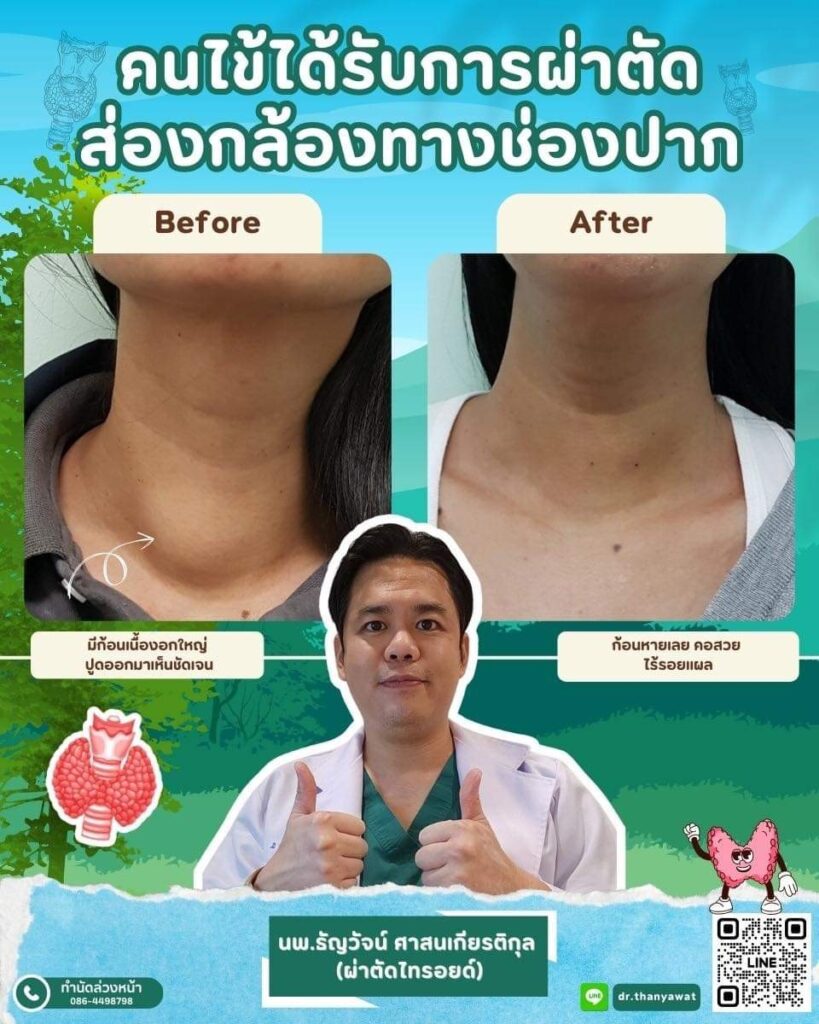
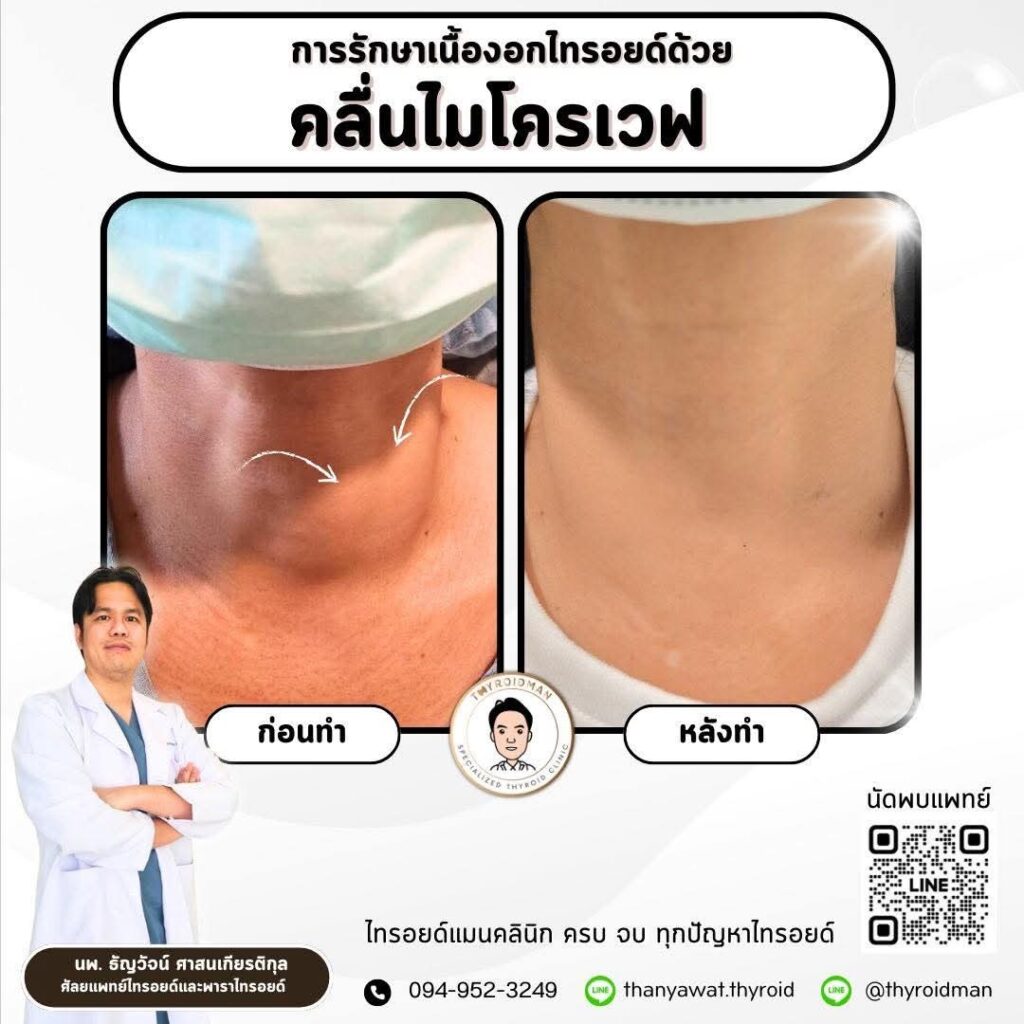
Microwave ablation for thyroid nodules is the newest surgical innovation used in treatment. I should first explain that microwave ablation, or the use of heat waves, is currently used to treat patients with liver cancer and has been shown to yield good therapeutic results, eradicating the disease safely. Consequently, medical science has adapted this tumor destruction technology for use with thyroid nodules.
The working principle of microwave ablation involves inserting a tiny needle into the neck under ultrasound guidance to precisely target the tumor mass. The tip of the needle features a heat emission point that utilizes high temperatures to destroy the thyroid tumor cells, causing the nodule to denature. Afterward, the body recognizes the destroyed tumor debris as foreign matter and triggers its elimination through the phagocytosis process of our own white blood cells. This causes the tumor mass to shrink and collapse, reducing its size by approximately 70–80% within 6 to 8 months following the ablation.
The most prominent advantage of microwave ablation is that it targets the thyroid tumor specifically, without impacting the normal surrounding thyroid tissue. This ensures that the healthy portion of the thyroid gland is not lost, which is a major difference from surgery where at least one side of the thyroid must be removed. As a result, patients undergoing microwave ablation do not need lifelong medication. Furthermore, the use of microwave ablation protects patients with benign tumors from having to undergo thyroid surgery, reducing the risk of hoarseness or low blood calcium levels.
Because microwave ablation is performed under local anesthesia, patients do not require long recovery periods, do not need hospitalization, can return to work quickly, and are left with only a needle puncture wound of about 1–2 millimeters on the neck.
However, microwave ablation does have limitations. After the nodule is ablated, the remains of the tumor still linger inside the thyroid gland, leading to a recurrence rate of approximately 5%. This differs from surgery, where both the thyroid and the tumor are completely removed, leaving no chance of local recurrence. Additionally, microwave ablation cannot be performed on patients whose thyroid tumors extend down into the chest cavity.
Personally, I feel a great sense of regret because when my wife had a thyroid nodule with no suspicion of cancer, this microwave innovation did not yet exist. She had to undergo endoscopic surgery and lose one side of her thyroid gland. If microwave ablation had been available back then, I would have certainly chosen it to ablate the tumor for my wife instead.
In conclusion, there are currently many treatment options available for thyroid nodules, unlike the limited choices in the past. Patients can consult with a specialized physician to plan a tailored treatment approach that achieves the maximum benefit for each individual.