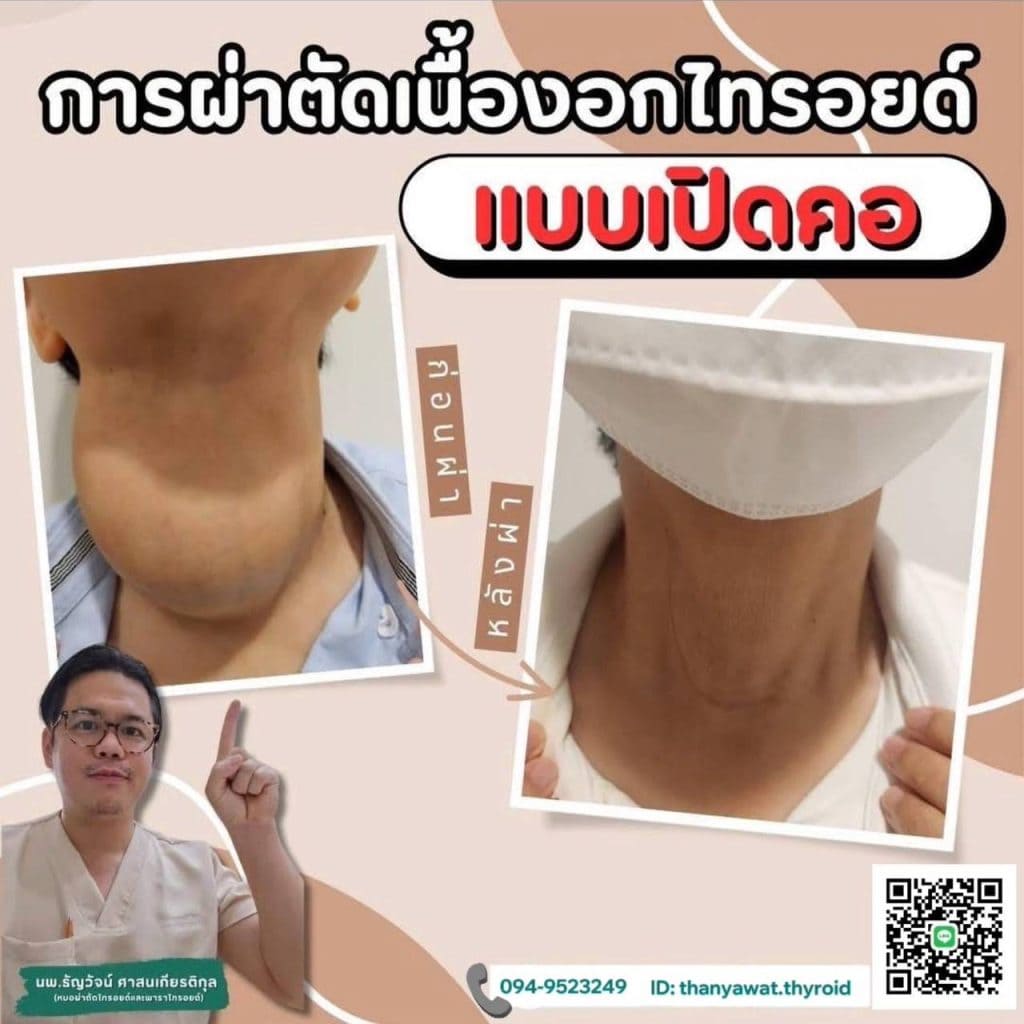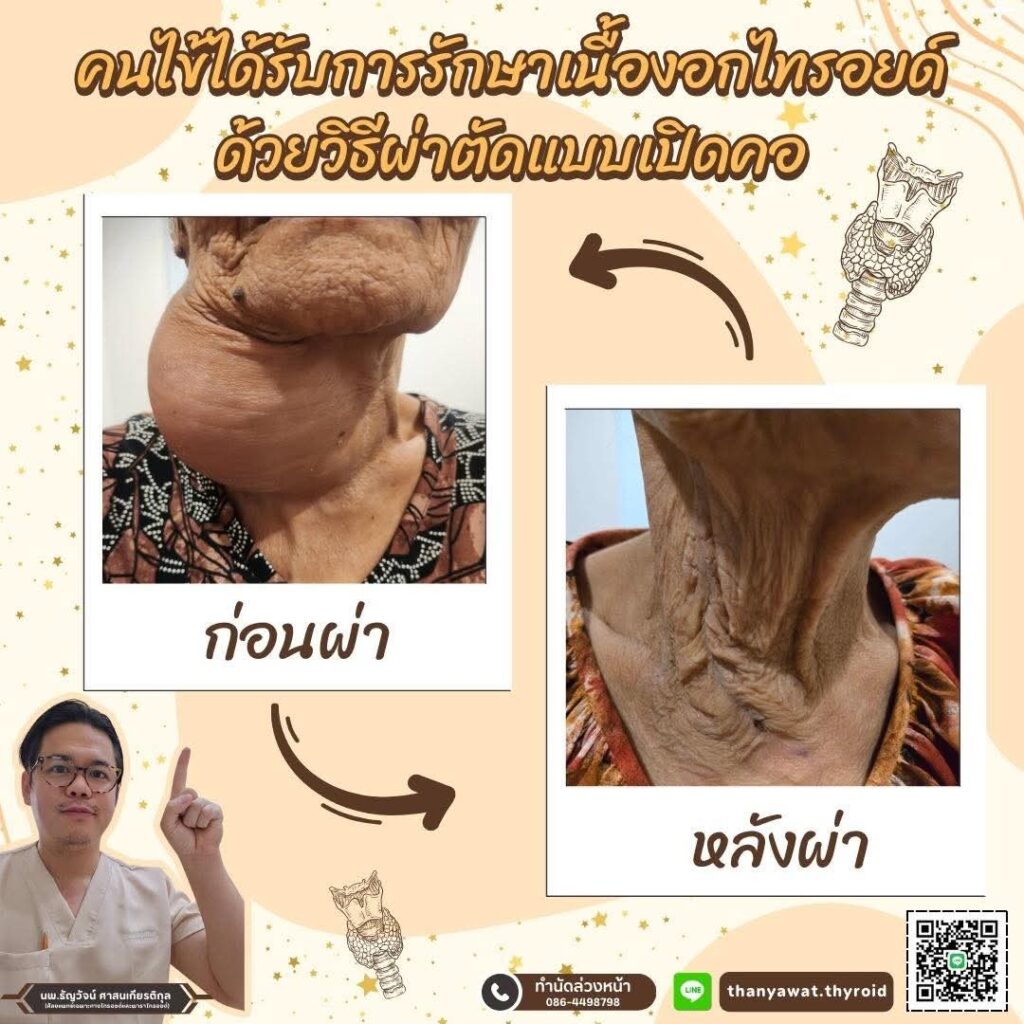
When mentioning the “thyroid gland,” many people might think of metabolism, energy, or goiters. However, if one day you or someone close to you gets a checkup and the doctor says, “a thyroid tumor has been found, and it needs to be treated with open neck surgery,” anxiety, fear, and endless questions will surely flood in immediately.
This article will help turn your fear into understanding by explaining open thyroid surgery in simple, easy-to-understand language. It provides a clear picture of everything you need to know-from the reasons for the surgery and how to prepare, to what happens in the operating room, and detailed, reassuring instructions for post-surgery self-care.
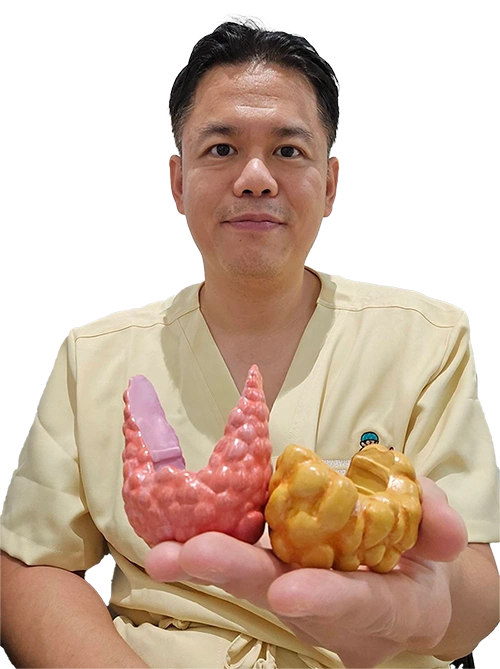
Before diving into surgery, let’s take a quick look at this organ. The thyroid gland is an endocrine gland shaped like a butterfly with its wings spread across the front of your neck, just below the Adam’s apple. It plays a crucial role in producing hormones that regulate body metabolism, control body temperature, and govern heart rate.
Sometimes, thyroid cells grow abnormally, forming a solid nodule or a fluid-filled sac (cyst), which is collectively referred to as a thyroid tumor. Fortunately, the majority of these tumors (about 80–90%) are benign and non-cancerous. However, there are certain cases where the doctor will determine that surgical removal is necessary.
Currently, there are several methods for thyroid surgery, such as endoscopic surgery through the armpit or mouth to hide the scar. However, open neck surgery (Open Thyroidectomy) remains the gold standard method that is safe and most effective for many patients. Doctors usually opt for this approach when:
1. The tumor is very large: To the point that it cannot be removed through small endoscopic channels.
2. The thyroid tumor extends down into the chest cavity: In this case, endoscopic surgery is not possible, making open thyroid surgery necessary.
3. It is thyroid cancer spreading to lateral neck lymph nodes: This condition requires open neck thyroid surgery to remove both sides of the thyroid, along with central and lateral neck lymph node dissections.
The advantage of open neck surgery is that it provides a clear view of the thyroid gland, blood vessels, and crucial surrounding nerves. This ensures high precision and safety during the procedure, especially in cases where the tumor is very large, invades the trachea, or spreads to lymph nodes.
Many people fear surgery because they do not know what actually happens inside the operating room. Let’s break down the process into easy-to-understand steps:
Good preparation helps reduce panic and ensures a smoother surgical process:
After waking up from anesthesia, you will be moved to the recovery room until you are stable, and then transferred to your patient room. Generally, a hospital stay lasts about 3 days and 2 nights.
First 1–2 Days After Surgery: What to Expect
You may experience moderate wound pain, throat irritation, or difficulty swallowing due to the breathing tube used during anesthesia, as well as temporary hoarseness or fatigue. The doctor will prescribe painkillers and anti-inflammatory medications to manage these symptoms.
Dietary Guidelines:
Start by sipping water, followed by liquids or soft foods that are easy to swallow, such as rice porridge, soft rice soup, or ice cream. Once swallowing becomes easier, you can gradually resume a normal diet.
Managing the Surgical Drain:
If a blood drain is placed, nurses will monitor and record the fluid output. Once the drainage decreases—typically by day 2 or 3—the doctor will remove the tube. The removal process may cause a brief, slight tingling sensation, but it is not as painful as many imagine.
Wound Care:
Waterproof dressings are commonly used today, allowing you to shower as usual. However, refrain from scrubbing the incision area and keep the dressing patted dry. If the plaster comes off or there is significant bleeding/seepage, visit your doctor before your scheduled appointment.
Physical Activity:
Gently move your neck to prevent adhesions and tightness. However, avoid forceful neck extension, heavy lifting, and strenuous exercise** for approximately 2–4 weeks.
Warning Signs Requiring Immediate Medical Attention:
– Numbness around the mouth, fingertips, or toes, or muscle cramping (which may indicate low blood calcium levels).
– Difficulty breathing, feeling suffocated, or rapid neck swelling (which may indicate internal bleeding).
– Increased redness, swelling, heat, pus discharge from the wound, or a high fever (signs of infection).
A major concern for many people is: “How will my body function after the thyroid gland is removed?”
Open thyroid surgery is not as frightening as it might seem. Thanks to modern medical technology and the expertise of today’s surgeons, this procedure carries a high safety profile. Furthermore, the incision is carefully designed to sit within a natural neck crease for optimal aesthetic results. The most crucial factor is strictly following your doctor’s instructions—both before and after the operation—so your body can heal fully, regain its vitality, and allow you to enjoy a happy, healthy life moving forward.